Wahana Awan: Bubble Retro Font for Crafters and Handmade Sellers
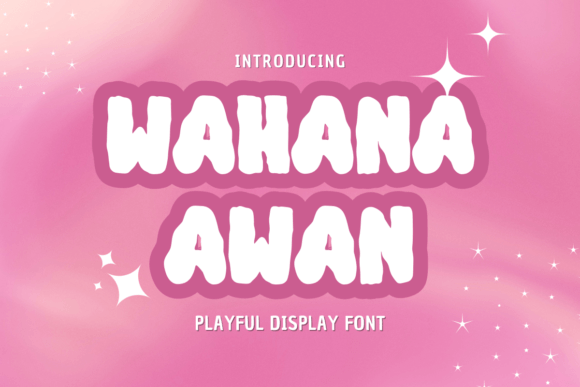
If you create handmade products, design printables, or run a small shop on Etsy, you know that the right font can make or break a product’s visual appeal. Wahana Awan is a bubble retro display font that brings back the playful spirit of the 70s and 80s. Its cute curves and funky shapes give any project an instant dose of nostalgia, making it a perfect choice for stickers, labels, invitations, signs, and digital downloads. Whether you’re a Cricut user cutting vinyl for a tote bag or a stationery designer crafting wedding suites, this display font delivers personality without sacrificing readability. In this article, I’ll walk through practical ways to use Wahana Awan in your own craft and product‑based projects, so you can see exactly how this typeface can elevate your work and help your products stand out in a crowded marketplace.
Using Wahana Awan for Handmade Labels and Product Stickers
Product labels are often the first thing a customer notices, and Wahana Awan helps you create a memorable first impression. The bubble retro font style feels friendly and approachable, which is ideal for small‑batch goods like candles, soaps, jams, and skincare. Because the letterforms are rounded and bold, the name of your product or brand reads clearly even at small sizes. For example, a “Lavender + Honey” candle label set in Wahana Awan instantly conveys a cozy, handmade feel. Pair it with a clean sans serif font for ingredient lists or fine print, and your label will look professional yet playful. When designing stickers for packaging or as freebies, the retro vibe of this display font adds a touch of whimsy that customers love to share on social media. Just remember to test the spacing on your cutting machine software—I’ve found that Wahana Awan works beautifully with vinyl because the thick strokes weed cleanly, even on small curves.
Wahana Awan for Wedding Invitations and Stationery
Wedding invitations are all about setting a tone, and Wahana Awan brings a cheerful, retro‑romantic feel to any stationery set. The font’s bubble shapes make it a natural fit for save‑the‑dates, invitation titles, and envelope addressing. I’ve used it for a “1970s‑themed” wedding suite where the couple wanted something fun but still elegant. The typeface worked perfectly for the main headline, while a simple serif font handled the body text for readability. Because Wahana Awan is a display font, it’s best reserved for short phrases like “Together with Joy” or “Mr. & Mrs.”; longer paragraphs can become overwhelming. For place cards, table numbers, and thank‑you tags, the font’s quirky charm makes each piece feel cohesive. If you sell printable wedding stationery or digital invitation templates, including this font as an option can attract brides who want something different from the typical script or modern sans serif.
Creating Eye-Catching Signs with Wahana Awan
Signs—whether for a home, a shop, or a special event—need to be readable from a distance while still looking decorative. Wahana Awan excels at this because its bold, bubbly letters are highly legible. I’ve designed farmhouse‑style signs that say “Welcome” or “Gather” using this display font, and the results were warm and inviting. For a boutique shop sign, combining the font with a distressed or wood texture background gives that retro diner feel that attracts customers. If you’re cutting vinyl for a wooden sign, be sure to use a weeding box in your software to handle the font’s curves—the rounded shapes are generally easy to weed, but small counter spaces (like in the “e” or “a”) may need a careful hand. Wahana Awan also works well for chalkboard‑style signs or printable templates for birthday parties and baby showers, where the retro vibe adds a nostalgic touch.
Wahana Awan for Printable Wall Art and Digital Downloads
Printable wall art is a huge market on Etsy, and Wahana Awan gives you a distinct style that stands out from the sea of modern calligraphy. The font’s funky shapes make it perfect for motivational quotes, nursery prints, and retro‑themed posters. For example, a print that says “Good Vibes Only” set in Wahana Awan feels energetic and optimistic. Because the font is a display font, you can use it as a large title and pair it with a simpler handwritten font for the subtext. This creates a layered look that customers appreciate. When creating digital downloads, include a note about the font used so that buyers can edit or customize the file themselves. Just be sure to check the commercial license—if you sell the print as a finished product, you’re likely covered, but if you’re selling the editable template, make sure the font license allows embedding in editable files. I always recommend buying a commercial license for Wahana Awan if you plan to sell products featuring the font.
Pairing Wahana Awan with Complementary Fonts
No font works in isolation, and knowing how to pair Wahana Awan with other typefaces will make your projects look polished. Because this is a bold, rounded display font, it pairs best with a simple, neutral sans serif or a clean serif that doesn’t compete for attention. For a modern look, try combining it with a geometric sans serif like Montserrat or Raleway. For a more vintage feel, a classic serif like Playfair Display contrasts nicely with the bubbly shapes. If you want to keep the retro vibe, a handwritten script with a slight bounce can work—but avoid scripts that are too ornate or busy, as they might clash with the bold curves of Wahana Awan. I’ve also seen it paired with a monoline sans serif for product labels, where the display font handles the product name and the sans serif manages the description. Always test your pairings in mockups before committing—the right combination can elevate your brand identity, while the wrong one can make the design feel cluttered.
Readability and Cutting Machine Tips for Wahana Awan
When you’re creating physical products, readability and cut‑ability are just as important as aesthetics. Wahana Awan is a display font with thick strokes, which generally makes it easy to read from a distance and strong enough to hold up on small stickers or labels. I recommend using it at a minimum size of about 18pt for print, and 24pt for vinyl cuts to ensure the inner spaces don’t get lost. If you’re using a Cricut or Silhouette, import the font and check the “Weld” function for any overlapping letters—especially if you’re using a phrase with tight kerning. The rounded shapes of Wahana Awan tend to weed cleanly, but I always do a quick test cut on scrap material before cutting the final product. For paper products like cards or tags, the font prints beautifully without bleeding, even on textured paper. If you’re selling digital templates, include a note about recommended font sizes for best results—your customers will thank you for the guidance.
Commercial Licensing and Selling Products with Wahana Awan
If you’re a handmade seller, commercial use of Wahana Awan is essential. Most font foundries offer a standard commercial license that covers selling physical products (stickers, apparel, signs, etc.) and digital products like printables and templates. However, the exact terms vary, so always read the license included with your purchase. Wahana Awan may come with a license that allows you to use the font for unlimited physical products, but you might need an extended license for digital downloads that are editable or for logo designs that become part of a brand identity. For client work, such as designing a logo for a customer, a commercial license is typically required. If you’re creating SVG designs, cut files, or templates for resale, confirm that the license covers those use cases. I always keep a folder with my font licenses organized, so I can refer back to them when launching a new product. Investing in the proper license for Wahana Awan protects your business and allows you to use this display font confidently across all your projects.