Charlie Bucket: A Playful Display Font for Handmade Product Designers
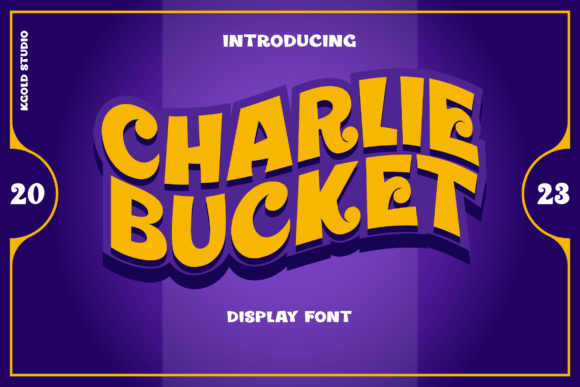
The moment I opened a new mockup for a client’s candle label, I knew the typeface would make or break the entire look. I had spent the morning cycling through sans serif options—clean, safe, but utterly forgettable. Then I dropped in Charlie Bucket. The difference was immediate. This display font has a buoyant, friendly energy that transforms even the simplest product into something that feels handcrafted and personal. As a web designer who works with handmade sellers and printable creators, I test fonts constantly against real production constraints. Charlie Bucket earned a permanent spot in my toolkit after just a few rounds of mockup work. Let me walk you through exactly where this playful display font shines and where you should proceed with caution.
Charlie Bucket for Candle Labels and Boutique Packaging
When I tested Charlie Bucket on a series of candle label mockups, the results were striking. The font’s rounded, cheerful letterforms gave each scent name a sense of warmth and approachability. For a lavender vanilla soy candle, I set the fragrance name in Charlie Bucket at 18 point and paired it with a lightweight sans serif for the scent notes below. The contrast worked perfectly: the display font drew the eye while the supporting type delivered the details. If you sell bath and body products or gift items, this typeface can anchor your brand identity with a consistent, feel-good personality. I recommend using Charlie Bucket for the product name or tagline on packaging rather than the ingredient list or legal text. The font’s friendly style invites customers to pick up the product, which is exactly what you want from boutique packaging. For small batch makers who list on Etsy or at craft fairs, the visual lift that Charlie Bucket provides to labels and hang tags can help your products stand out in a crowded feed or table display.
How Charlie Bucket Performs on Wedding Invitations and Stationery
Wedding stationery demands a delicate balance between personality and elegance. When I tested Charlie Bucket on invitation mockups, it brought a casual, joyful tone that suits outdoor celebrations, backyard weddings, and brunch receptions. For a couple’s names and the event date, the font created a playful focal point without feeling childish. I placed the bride and groom names in Charlie Bucket at 28 point, then used a simple serif for the ceremony details below. The pairing felt intentional and cohesive. If you design invitations or greeting cards for your shop, this display font works beautifully for headings, couple names, and short celebratory phrases like “Let’s Eat Cake” or “Join Us.” However, keep in mind that Charlie Bucket is not designed for long body copy. The decorative qualities that make it charming at display sizes can become tiring to read in paragraphs. Use it as your statement element and let cleaner fonts handle the logistics. For printable invitation suites, I suggest offering the main headline in Charlie Bucket and then layering in a complementary typeface for the rest of the text.
Using Charlie Bucket for Printable Wall Art and Home Decor Signs
Printable wall art is one of the easiest products to create with Charlie Bucket because the format gives the font room to breathe. I tested the typeface on a series of farmhouse-style signs and motivational prints, and it delivered exactly the kind of down-to-earth charm that sells well in digital marketplaces. For an 8x10 print reading “Gather Here with Grateful Hearts,” I set the entire phrase in Charlie Bucket at various point sizes to create visual hierarchy. The rounded letter shapes softened the message and made it feel approachable rather than preachy. If you create home decor printables, SVG designs for Cricut or Silhouette, or even physical wood signs, this display font can carry a short sentiment with ease. I found that Charlie Bucket works best on signs with three to six words. Longer phrases can still work if you break them into two or three lines and adjust tracking slightly. The font’s friendly appearance makes it a natural fit for children’s room decor, nursery prints, and kitchen signs. Just be mindful of cut size if you are using it with cutting machines: small serifs and thin strokes may not survive intricate weeding, but Charlie Bucket’s rounded forms handle vinyl cutting quite well at medium to large sizes.
Charlie Bucket Readability for Stickers, Tags, and Small Product Labels
Sticker designers and product tag makers need to know exactly how a font behaves at reduced sizes. I ran a readability test with Charlie Bucket on a sheet of 2-inch square stickers and a set of small product hang tags. At 12 point and above, the font remained fully legible and retained its playful character. At 10 point and below, some of the finer details began to blur, especially on textured printable vinyl or kraft paper tags. For best results, reserve Charlie Bucket for the hero element of your sticker or tag—the product name, the shop name, or a short decorative phrase. Use a simple sans serif for fine print like ingredients, weight, or care instructions. This approach preserves the font’s visual impact without sacrificing the practical information your customers need. If you sell planner stickers, gift tags, or product labels on platforms like Etsy or Amazon Handmade, leading with Charlie Bucket on the main design element can give your product images a cohesive, recognizable look that shoppers remember. I also recommend checking the font’s commercial license details before selling physical products, digital templates, or printables that include the typeface. Many premium fonts require an extended license for merchandise resale, and knowing this upfront saves you from legal headaches down the road.
Font Pairing Ideas with Charlie Bucket for Shop Branding
Building a consistent brand identity means choosing fonts that complement each other without competing. Charlie Bucket pairs naturally with clean sans serif fonts because the contrast between playful and minimal creates a balanced, professional look. In my mockup tests, I paired Charlie Bucket with a lightweight sans serif for product descriptions and a simple serif for accent lines. The combination worked across product labels, social media graphics, and shop banners. For Etsy shop owners and boutique makers, I suggest using Charlie Bucket for your shop name in your banner and logo, then repeating it on product packaging and thank you cards. This repetition builds recognition and makes your brand feel intentional. If you design digital templates or social media graphics, the font’s cheerful style shines in Instagram story titles, Pinterest pins, and listing previews. Avoid pairing Charlie Bucket with another highly decorative display font, as the two can clash and create visual noise. Instead, let Charlie Bucket be the personality font and keep supporting typefaces simple. The font’s single weight and standard character set make it easy to slot into existing brand systems without extensive adjustment. Before you commit to using Charlie Bucket across your entire shop, test it on a few mockups first to ensure the mood aligns with your product line. For baby shower invitations, birthday party printables, or children’s product labels, the fit is natural. For more serious or minimalist brands, you may want to reserve it for accent use only.
What to Avoid When Using Charlie Bucket on Physical Products
No font is perfect for every application, and Charlie Bucket has clear boundaries that honest designers need to respect. This display font should not be your choice for dense informational text, such as ingredient lists, instructions, or lengthy product descriptions. The same decorative qualities that make it charming at headline sizes will frustrate readers in small blocks of text. I also advise against using Charlie Bucket for very small cuts on cutting machines like Cricut or Silhouette. While the font handles medium to large cuts well, fine details may not weed cleanly below 1.5 inches in height. For laser engraving or foil stamping, test a sample first because thin strokes can become lost or distorted. If your product requires multilingual support, confirm that Charlie Bucket includes the accented characters you need before purchasing. Some display fonts have limited language coverage, and you do not want to discover gaps after you have built a product line around the typeface. Finally, always verify the commercial license terms if you plan to sell physical merchandise, digital downloads, or print-on-demand products that incorporate Charlie Bucket. A standard license may cover personal use and a limited number of sales, but growing your shop may require an extended license. These practical checks ensure that your creative vision lands successfully on real products without unexpected obstacles. Charlie Bucket is a genuinely delightful display font that can elevate your handmade products, stationery, printables, and packaging—as long as you use it where its playful personality has room to breathe. Test it on your own mockups, pair it thoughtfully, and let its friendly energy connect with your customers in a way that feels authentic and intentional.